
From Forbes AI25 to 30 Under 30: Minerva Humanoids CEO Sándor Felber Honored by Forbes Hungary for Second Consecutive Year
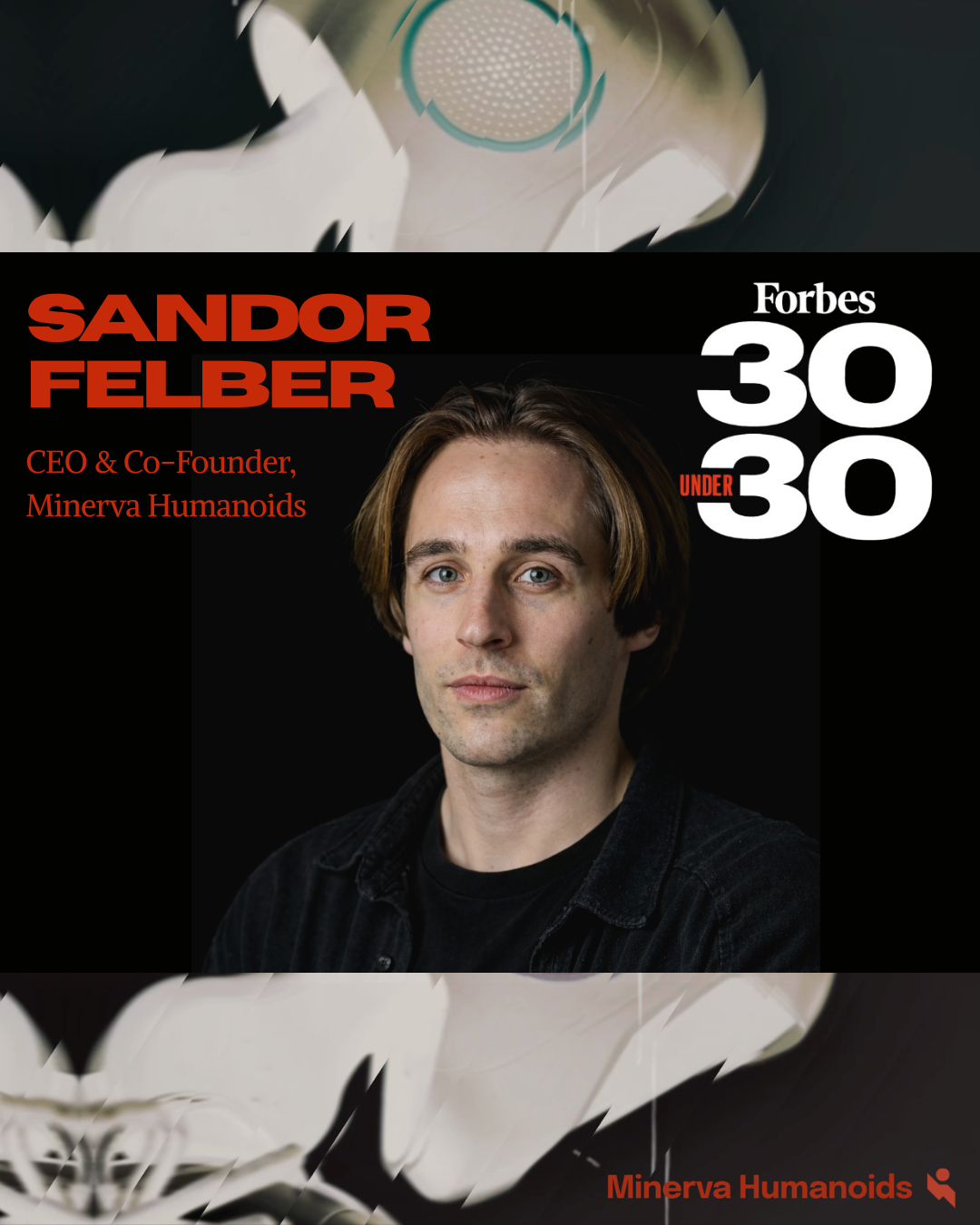
Minerva Humanoids is proud to announce that our Co-Founder and Chief Executive Officer, Sandor Felber, has been selected for the Forbes Hungary 30 Under 30 list, marking the second consecutive year of recognition by Forbes Hungary following his inclusion on the AI25 list in 2025.
In 2025, Forbes Hungary named Sándor to its AI25 list, which identified 25 Hungarians at the forefront of the global artificial intelligence revolution. The distinction acknowledged his technical leadership in AI-driven humanoid robotics and his growing influence as one of Hungary's leading figures in applied machine intelligence. Sandor has gone on to co-found Minerva Humanoids, assembling a world-class founding team, establishing strategic partnerships with major players in the global energy sector, and driving the company's telepresence humanoid platform toward commercial deployment in some of the world's most demanding industrial environments. This year's 30 Under 30 selection marks the next chapter of that trajectory, recognizing Sandor not only for his technical expertise but for his ability to build a company with the leadership, the partnerships, and the technology to fundamentally change how hazardous industries safeguard human life.
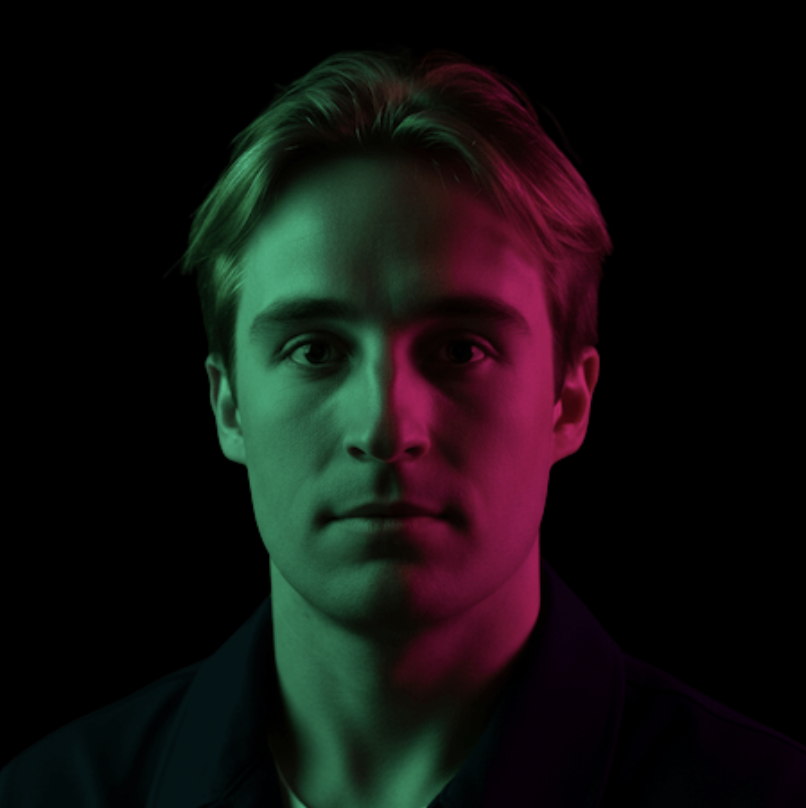
The distinction reflects a career defined by technical rigor and purposeful leadership. Sandor's trajectory spans advanced study at the University of Edinburgh and UCLA, where he developed deep expertise in autonomous systems and robotics control. During his time in academia, he contributed to the development of autonomous racing vehicles, honing the real-time decision-making and control principles that would later define his approach to humanoid robotics.
His work on actuator control systems for Tesla's Optimus humanoid program placed him at the center of one of the most ambitious robotics initiatives in the world, providing firsthand experience in bringing humanoid hardware from concept to function at industrial scale.
At MIT's Computer Science and Artificial Intelligence Laboratory (CSAIL), Sandor led a effort in establishing a new direction for data-driven humanoid robot control leveraging ML/AI methods. The work addressed one of the field's most persistent challenges: enabling humanoid systems to operate with both the adaptability of human cognition and the reliability required for real-world deployment. Sandor’s learnings from his research laid the intellectual and technical foundation for his expertise in the humanoid robotics space.
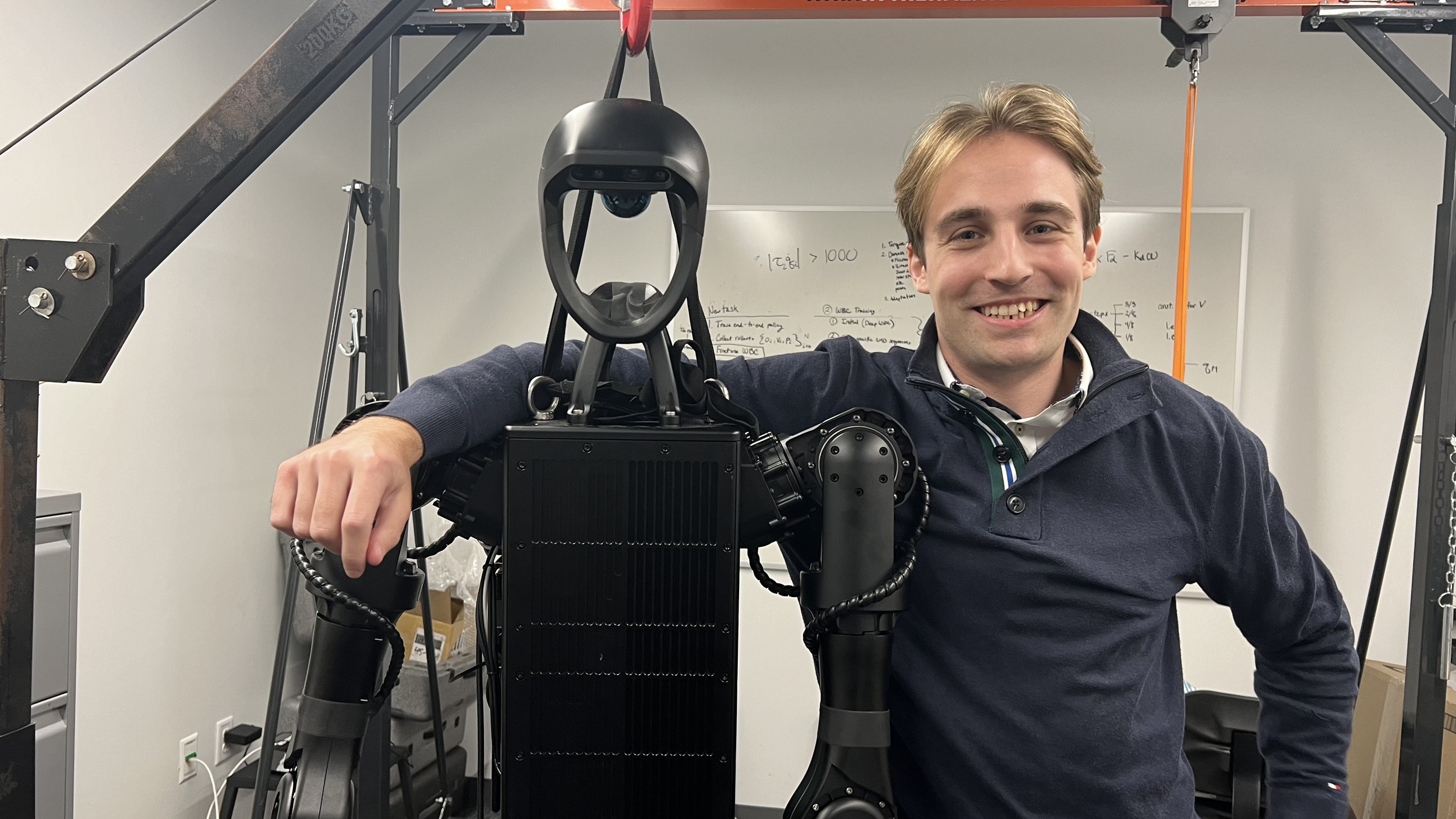
Sandor at MIT CSAIL in Cambridge, MA
When Sandor turned his attention to research, the humanoid robotics landscape was at an inflection point. Hardware was advancing rapidly, but the control systems required to make humanoid robots genuinely useful in real-world settings had not kept pace. Bridging that gap became the focus of his next chapter. This experience reinforced a conviction that would guide the rest of Sandor's career: the future of hazardous work would not be defined by better safety equipment, but by removing humans from danger entirely. The question was how to build systems sophisticated enough to replace physical presence without sacrificing human judgment.
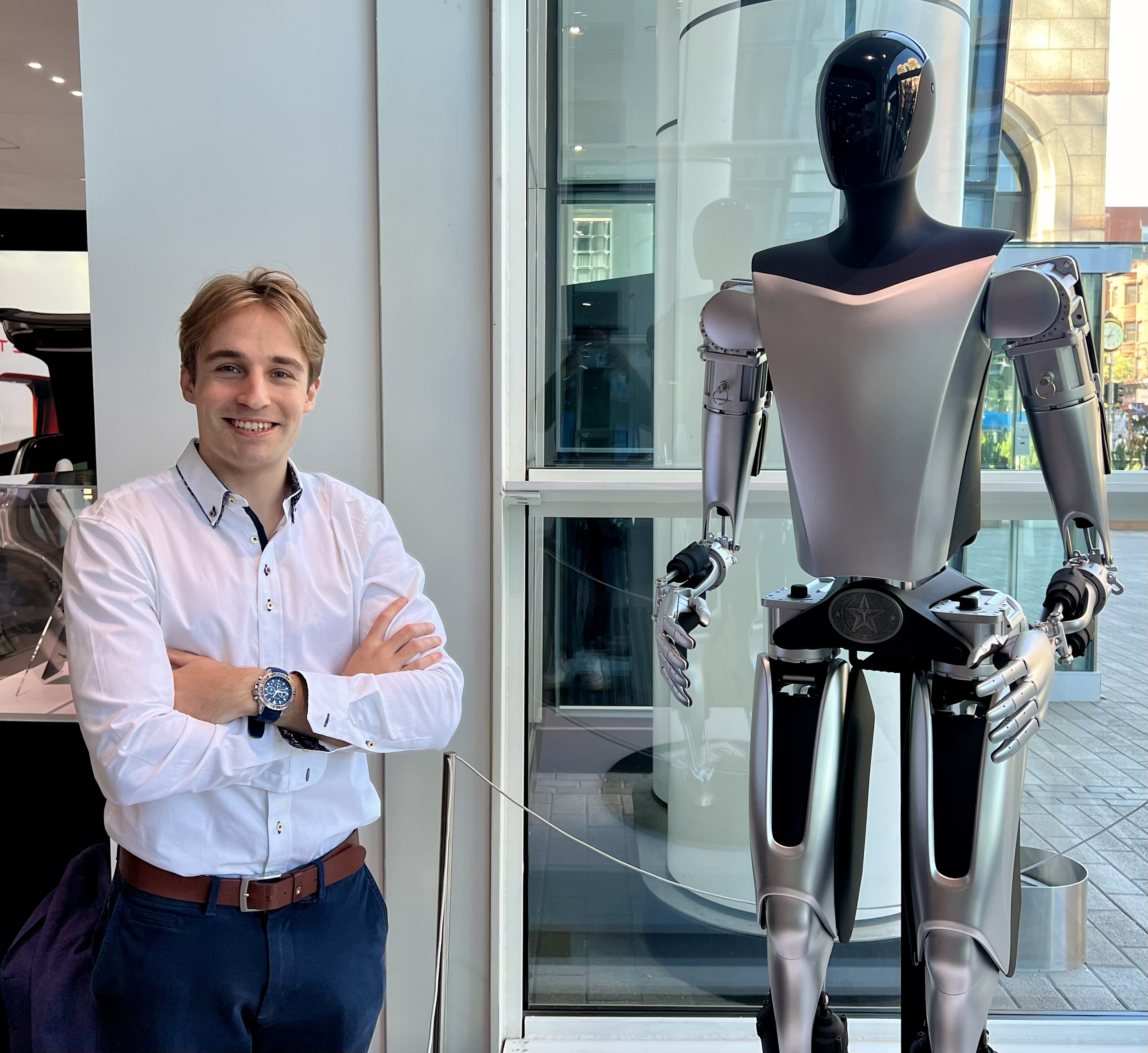
Sandor with an early prototype of Tesla’s Optimus Humanoid
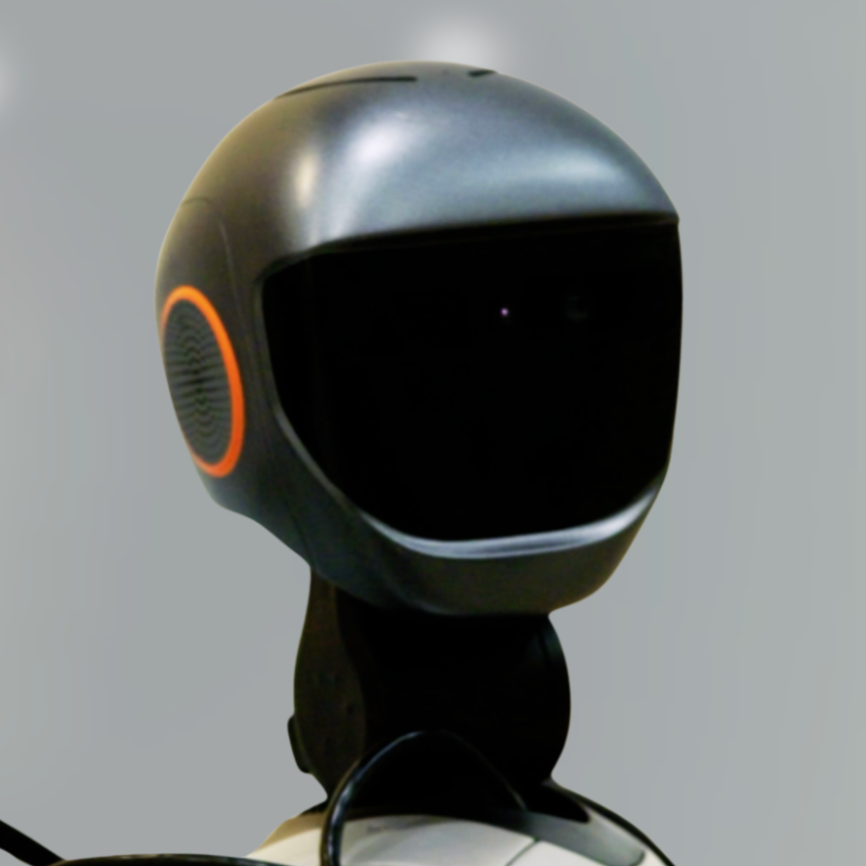
Together with Co-Founder & CTO Maurice Rahme, formerly Technical Lead of the Stretch Manipulation team at Boston Dynamics, Sandor launched Minerva Humanoids at the intersection of human expertise and autonomous capability. The company develops telepresence humanoid systems powered by neural motion retargeting and haptic feedback, allowing skilled operators to project their intelligence and dexterity into the world's most dangerous industrial environments without physical exposure to risk.
"This recognition belongs to the entire Minerva team and to the broader mission we serve," said Sandor. "Every day, hundreds of thousands of workers operate in conditions no person should have to face alone. We are building the technology to change that."
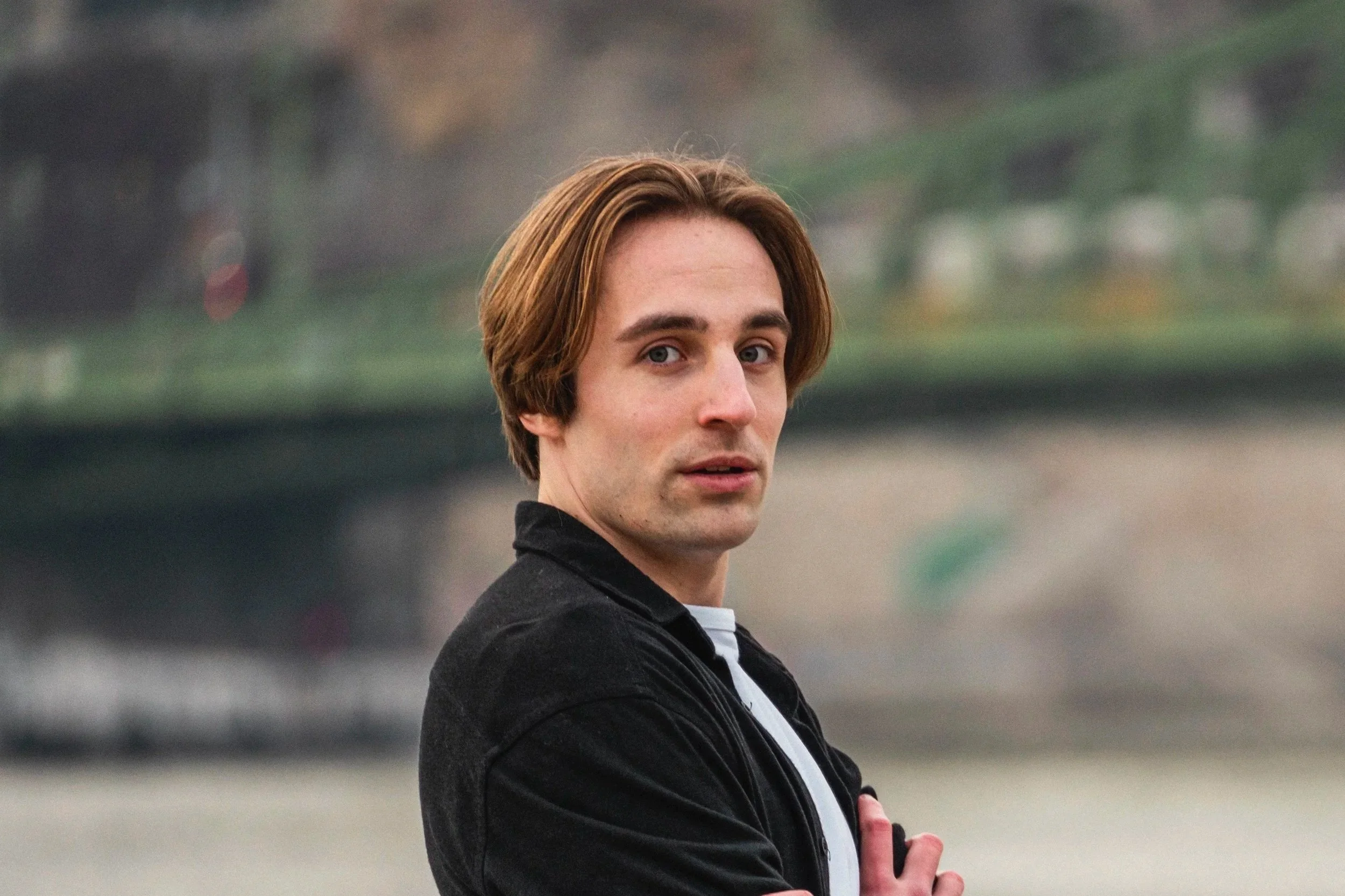
As the company advances its partnerships across the global energy and heavy industry sectors, Sandor's progression from recognition as one of Hungary's most influential AI leaders to one of its most promising young entrepreneurs reflects the very journey of Minerva Humanoids itself, from cutting-edge AI research to real-world industrial impact. With a founding team drawn from some of the most respected institutions in robotics and AI, including MIT CSAIL, Boston Dynamics, and Tesla, and a growing network of strategic partners spanning the United States, Europe, and the Middle East, Minerva Humanoids is positioned to define the next era of human-robot collaboration in hazardous environments.
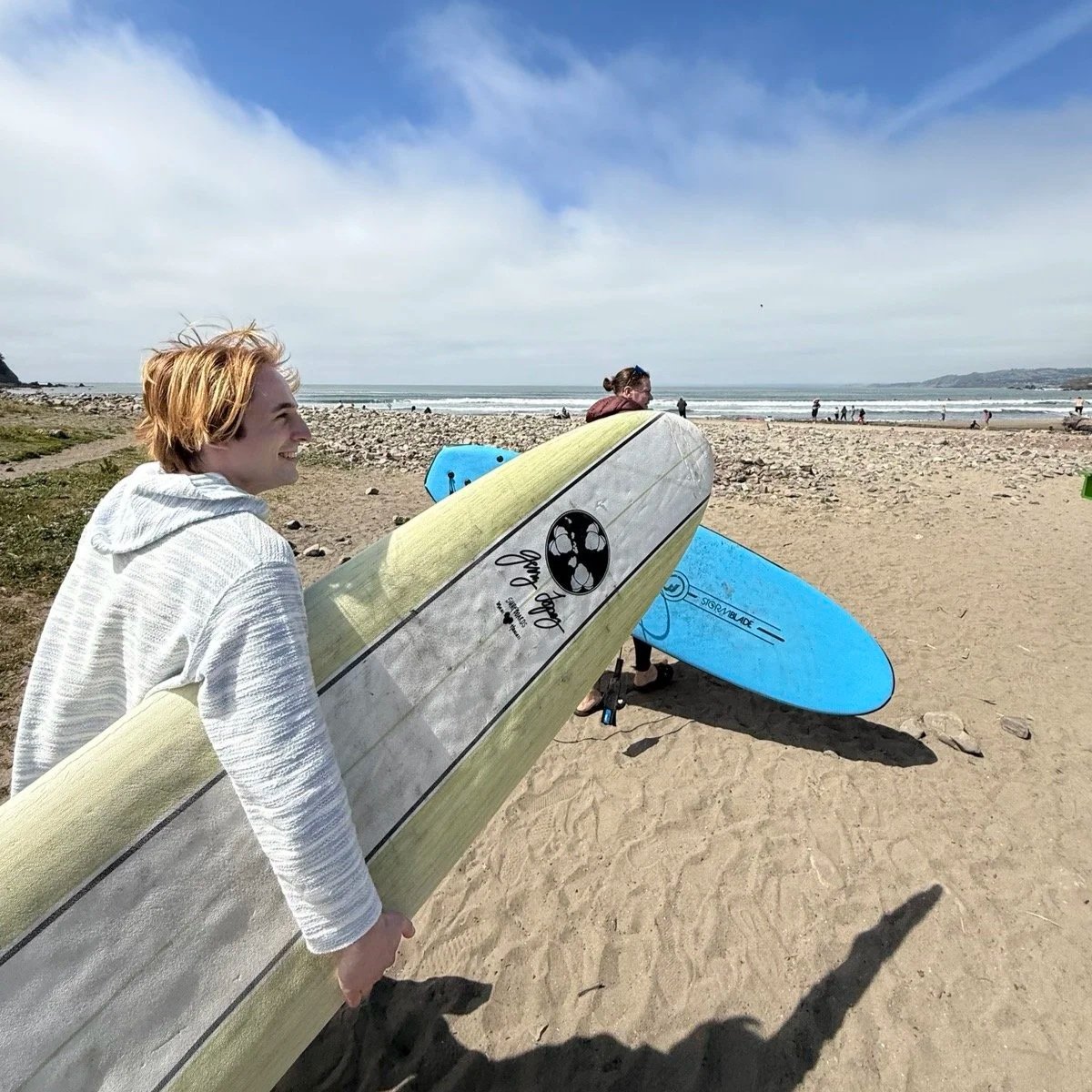
Beyond Minerva, Sandor is a lifelong music enthusiast and an avid surfer who can often be found catching waves with fellow robotics founders and friends along the California coast. He brings the same energy and focus to his personal passions as he does to building Minerva Humanoids.
About Minerva Humanoids, Inc. Minerva Humanoids develops telepresence humanoid robotic systems for hazardous industrial operations. Headquartered in the United States with international research and commercial partnerships, the company is redefining how critical industries protect their most valuable asset: their people.
